Discover the Delectable World of Roasted Eggplant Meatless Meatballs
In an era where plant-based eating is not just a trend but a culinary movement, finding dishes that satisfy both the palate and the desire for wholesome ingredients is paramount. Enter the magnificent
roasted eggplant meatless meatballs – a revelation for vegetarians and omnivores alike. These aren't just a stand-in for traditional meatballs; they are a star in their own right, offering a symphony of savory flavors and a delightful texture that will surprise and impress. Made predominantly with tender, roasted eggplant and a handful of other accessible ingredients, these meatless marvels are celebrated for their ease of preparation, versatility, and undeniably delicious taste. Forget heavy frying; the beauty of this recipe lies in its hands-off roasting method, promising a healthier and less messy kitchen experience. Whether nestled in a rich tomato sauce, served alongside creamy ricotta, or enjoyed simply as an appetizer, these eggplant meatballs redefine comfort food.
The Art of Roasting: Unlocking Deep Flavor and Unmatched Convenience
The secret to truly exceptional roasted eggplant meatless meatballs lies in the very first step: the roasting of the eggplant itself, and subsequently, the meatballs. This crucial technique elevates the dish far beyond what simple sautéing or frying could achieve, infusing a depth of flavor and providing a wonderful textural foundation while simultaneously simplifying the cooking process.
When you roast eggplant, particularly whole, something magical happens. The high heat of the oven coaxes out its natural sweetness, caramelizing the flesh and imparting a subtle smoky flavor that is utterly irresistible. Unlike sautéing, which can often result in oily, unevenly cooked pieces, roasting allows the eggplant to soften uniformly, concentrating its flavors and making it incredibly tender and easy to purée. This method also helps to draw out excess moisture, a common challenge with eggplant, which is vital for preventing soggy meatballs. Simply roasting a few eggplants whole until they're collapsed and deeply tender, then briefly draining the flesh, creates the perfect base for your meatballs. This hands-off approach frees you from constant stirring and monitoring, letting your oven do most of the work.
But the roasting doesn't stop there. Once your eggplant mixture is shaped into meatballs, they too get the oven treatment. Roasting the formed meatballs, rather than pan-frying them, is a game-changer for several reasons. Firstly, it keeps the dish considerably lighter and healthier, avoiding the need for copious amounts of oil. Secondly, it contributes to that coveted crispy exterior while maintaining a moist and tender interior. The dry heat of the oven creates a beautiful golden-brown crust without the splatters and fuss of frying. This dual-roasting method – first the eggplant, then the meatballs – is the cornerstone of this recipe's success, making the entire process wonderfully hands-off and ensuring every bite is packed with incredible flavor and a satisfying texture.
Crafting Your Perfect Meatless Meatballs: Ingredients and Techniques
The beauty of roasted eggplant meatless meatballs lies in their adaptability. Depending on your culinary goals and the ingredients you have on hand, you can lean into a minimalist, "eggplant parm bomb" approach or opt for an enriched, nutritionally dense version. Both yield incredibly satisfying results.
At its most fundamental, a truly sublime eggplant meatball can be crafted with just a few core ingredients. The roasted eggplant flesh forms the heart of the mixture, providing a naturally creamy and savory base. To this, you'd typically add minced garlic for aromatic depth, grated Parmigiano Reggiano for a sharp, salty kick, an egg to act as a binder, and plain breadcrumbs to help absorb moisture and provide structure. This combination creates meatballs that taste remarkably like a deconstructed eggplant Parmesan, rich and bursting with classic Italian flavors.
For those looking to enhance the nutritional profile and texture, a slightly more comprehensive ingredient list can be employed. Here, alongside the roasted eggplant, you might incorporate cooked quinoa. Quinoa not only adds a beneficial boost of protein and fiber but also contributes a lovely granular texture that mimics traditional ground meat. Further flavor layers can be introduced with a blend of cheeses, such as Pecorino Romano and Parmesan, offering a more complex cheesy dimension. Freshly chopped basil and a hint of oregano infuse the mixture with vibrant herbaceous notes, while additional garlic, salt, and freshly cracked black pepper round out the seasoning. Two whole eggs and plain breadcrumbs continue to serve as essential binders, ensuring your meatballs hold their shape beautifully during roasting.
Regardless of your chosen ingredient list, the technique for forming these meatballs is relatively straightforward. After roasting and briefly draining the eggplant, it's puréed or mashed thoroughly. This purée is then combined with your chosen binders, cheeses, herbs, and seasonings. The key is to mix until just combined, being careful not to overwork the mixture, which can lead to tough meatballs. Once mixed, gently form the purée into uniform balls – typically yielding 15 to 18 meatballs, depending on your desired size. Smaller balls are perfect for appetizers, while larger ones make a more substantial main course.
Pro Tip: For best results, allow the mixture to chill in the refrigerator for at least 30 minutes before forming the meatballs. This firms up the mixture, making it easier to handle and less likely to crumble during shaping and roasting. For another perspective on ingredient choices and preparation, you might find
roasted eggplant meatless meatballs - Article 2 particularly insightful.
Serving Suggestions and Culinary Pairings: Elevate Your Meal
The versatility of roasted eggplant meatless meatballs is one of their most appealing characteristics. They seamlessly transition from a delightful appetizer to a hearty main course, adapting to various culinary contexts with grace.
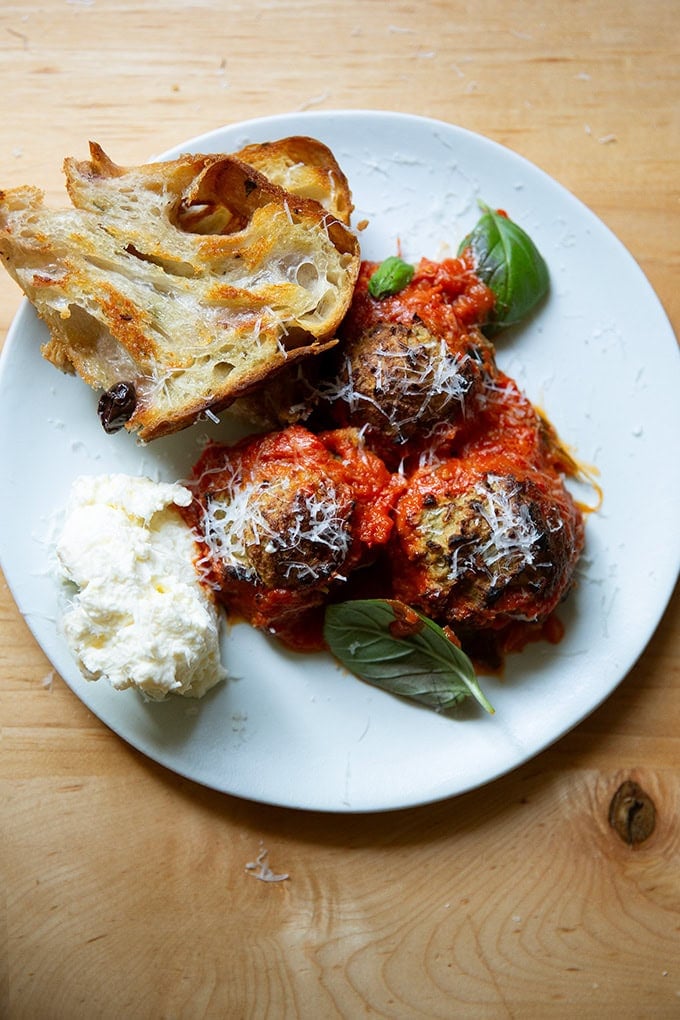
One of the most classic and satisfying ways to enjoy these meatballs is by simmering them briefly in a sweet, fresh tomato sauce. A simple marinara, perhaps one inspired by Marcella Hazan's famous recipe, provides the perfect acidic and sweet counterpoint to the rich, savory meatballs. Serve them alongside a generous dollop of fresh, creamy ricotta cheese – homemade or good quality store-bought – and some crusty, olive oil-toasted bread. The ricotta adds a cooling, velvety texture, while the bread is ideal for soaking up every last drop of the exquisite sauce. This combination creates a truly restaurant-quality vegetarian meal that feels both wholesome and indulgent.
Beyond this classic pairing, the possibilities are endless:
- With Pasta: Toss these meatballs directly into your favorite pasta dish. They pair wonderfully with spaghetti, tagliatelle, or even penne, creating a filling and flavorful plant-forward alternative to traditional meat-based pasta sauces.
- As an Appetizer: Serve them on their own with a small bowl of marinara or a garlicky aioli for dipping. Skewer them with cherry tomatoes and basil for an attractive party bite.
- Over Grains: For a gluten-free option, serve them over creamy polenta, fluffy quinoa, or even a light couscous, allowing the grains to absorb the rich flavors of the sauce.
- In a Sandwich: Imagine a meatball sub, but with these delightful eggplant meatballs, melted provolone, and a vibrant marinara. Pure comfort!
- Side Dish Extraordinaire: They make an excellent side to a larger vegetarian spread, complementing roasted vegetables or a crisp green salad beautifully.
Don't forget the garnishes! A sprinkle of freshly grated Parmigiano Reggiano (if not already incorporated into the recipe), a scattering of fresh basil or parsley, and a final drizzle of high-quality extra virgin olive oil can elevate the presentation and enhance the flavors even further. For a wine pairing, consider a medium-bodied Italian red like a Chianti or a lighter Sangiovese, or even a crisp, dry white like Pinot Grigio to complement the tomato and eggplant notes.
Conclusion
Roasted eggplant meatless meatballs are more than just a substitute; they are a celebration of plant-based cooking at its finest. Offering a symphony of flavors reminiscent of classic Italian comfort food, yet prepared with a modern, health-conscious approach through hands-off roasting, these meatballs are incredibly versatile and deeply satisfying. Whether you opt for a minimalist recipe or one enriched with quinoa and a medley of herbs and cheeses, the result is consistently moist, flavorful, and utterly delicious. Perfect as a main course with pasta and ricotta, a delightful appetizer, or a flavorful side, these
roasted eggplant meatless meatballs promise to become a cherished addition to your culinary repertoire. Embrace the simple elegance and profound flavors of this dish, and prepare to fall in love with the humble eggplant all over again.